Source High Traction Mining OTR Tire for Loaders, Trucks, and Excavators
Source high traction mining otr tire from 30 verified listings. Compare specifications including 22-inch diameters, bias-belted designs, and various tread patterns for loaders, haul trucks, and excavators. Review pricing, MOQs, and delivery times to find suitable industrial rubber solutions; compare the available evidence and request quotations based on your requirements.
Key considerations
Products List


Comprehensive Sourcing Guide
High Traction Mining OTR Tire Sourcing Guide
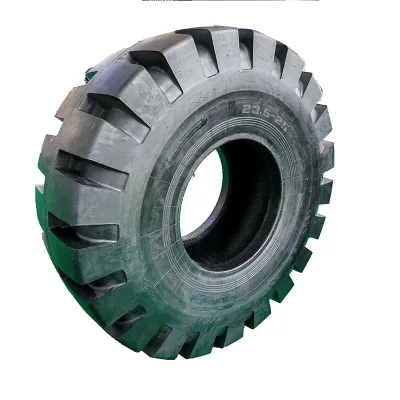
Procuring high traction mining OTR tires requires identifying suppliers who explicitly list transverse or dual-purpose tread patterns designed for severe off-road conditions. Buyers must verify that the observed product attributes include specific cord materials like nylon and tire hierarchies such as 20PR, which indicate the structural integrity needed for heavy loads. The presence of bias-belted or tubeless designs further signals a focus on durability and puncture resistance essential for mining environments where debris is prevalent.
Sourcing decisions should also account for the variability in minimum order quantities, which range from small batches of ten pieces to large industrial orders of nearly three hundred units. This wide MOQ spectrum allows buyers to align procurement volumes with their operational scale, whether for a single fleet replacement or a massive depot expansion. Understanding these thresholds is critical for negotiating favorable commercial terms and ensuring that the supplier can accommodate the specific logistical constraints of your mining operation without unnecessary delays.
Product Scope and Observed Listing Signals
The market for mining tires presents a diverse range of specifications, including diameters of 22 inches or larger and standard sizes like 23.5R25 and 26.5-25. Buyers should scrutinize listings for explicit mentions of all-season capabilities and new condition status, as these factors directly impact the tire's performance in varying weather and terrain conditions. The availability of customization options suggests that suppliers can tailor tread designs or dimensions to match unique equipment requirements, providing a strategic advantage for specialized mining applications.
Observations indicate that packing methods vary significantly, ranging from standard woven bag wrapping to custom requirements based on client specifications. This variability necessitates a clear definition of packaging needs during the initial inquiry to prevent damage during transit. Additionally, the presence of specific model numbers like 11.00-20 or 12.00-20 helps buyers confirm that the listed inventory matches their existing fleet specifications, reducing the risk of compatibility issues upon delivery.
Technical Specifications to Verify
Technical verification must begin with the tire's construction type, specifically confirming whether the unit is tubeless or tube-type, as this affects maintenance protocols and inflation safety. Buyers should cross-reference the listed ply rating, such as 28/32 or 14, against the expected load index for their specific mining machinery to ensure the tire can withstand the operational stress without premature failure. The inclusion of nylon cord material is a key indicator of tensile strength, which is vital for resisting cuts and abrasions common in rugged mining sites.
Dimensional accuracy is equally critical, with observed standards including 23.5-25 and 20.5/70-16, requiring precise matching to the vehicle's rim and clearance requirements. Buyers must also verify the tread pattern classification, ensuring it aligns with the intended terrain, whether it is a cross-country pattern for mixed surfaces or a dual-purpose design for versatile operations. Confirming these technical details prevents costly mismatches that could lead to equipment downtime or safety hazards in the field.
Compliance and Safety Documentation
Safety compliance in the mining sector demands rigorous verification of certifications, with ISO, DOT, ECE, and CCC being the most frequently observed standards in the supply chain. Buyers should request proof of these certifications to ensure the tires meet international safety and performance benchmarks, particularly for operations in regulated markets. The presence of multiple certifications, including RoHS and CE, indicates a supplier's commitment to adhering to diverse regulatory frameworks, which is essential for global procurement strategies.
Beyond static certifications, the inspection protocols employed by the manufacturer serve as a vital layer of quality assurance. Listings often mention 100% inspection ratios involving appearance checks, X-ray tests, and uniformity tests, which are non-negotiable for high-stakes mining applications. These rigorous testing procedures ensure that every tire leaving the factory is free from internal defects and meets the uniformity standards required for safe high-speed operation on heavy haul trucks.
Cost Drivers and Commercial Terms
Cost structures for mining OTR tires are heavily influenced by the minimum order quantity and the complexity of the required specifications. Buyers must navigate a wide MOQ range, from as low as ten pieces to as high as 290 units, which directly impacts the unit price and the overall budget allocation. Understanding these thresholds allows procurement teams to optimize order sizes, balancing inventory costs with the need to maintain a sufficient stock of critical replacement tires for continuous operations.
Payment terms and delivery timelines are also significant cost drivers that require careful negotiation. Observed payment structures often involve split terms, such as 30% upfront and 70% upon completion, while lead times can vary from 15 days to 45 days depending on the order volume and customization level. Buyers should factor these timelines into their production schedules to avoid stockouts, ensuring that the supply chain remains resilient against potential delays in manufacturing or logistics.
Supplier Qualification and Quality Control
Supplier qualification hinges on the transparency of their quality control processes and the consistency of their production standards. Buyers should prioritize suppliers who explicitly state their inspection ratios and the specific tests performed, such as X-ray and uniformity checks, as these metrics provide a quantifiable measure of product reliability. The ability to offer customized packing and design solutions further demonstrates a supplier's flexibility and capacity to meet the unique demands of different mining operations.
Origin and production standards are also critical factors in supplier selection, with China being a primary source for these specialized tires. Buyers must verify that the supplier adheres to recognized standards like 23.5R25 or 11.00-20, ensuring that the products are manufactured to consistent specifications. Establishing a relationship with a supplier who can provide detailed documentation on their production capabilities and quality assurance protocols is essential for maintaining long-term operational stability.
Long-Term Procurement Checks
Establishing a long-term procurement strategy requires regular audits of supplier performance against the agreed-upon quality and delivery metrics. Buyers should track the consistency of lead times, which have been observed to range from 15 to 45 days, to ensure that the supply chain remains predictable and responsive to changing operational needs. Continuous monitoring of these timelines helps in identifying potential bottlenecks early, allowing for proactive adjustments to inventory management and ordering schedules.
Finally, the evolution of product specifications and certifications must be monitored to ensure ongoing compliance with industry standards. As mining regulations and equipment technologies advance, suppliers must adapt their offerings to include updated tread patterns, materials, and safety certifications. Buyers should maintain open communication channels with their suppliers to stay informed about these developments, ensuring that their tire inventory remains optimized for safety, efficiency, and regulatory compliance in the long term.
FAQs
What certifications are available for high traction mining otr tires?
Certifications include ISO, DOT, ECE, CCC, CE, FCC, RoHS, and GS. These standards ensure compliance with international safety and quality requirements for heavy-duty off-the-road applications. Buyers should verify specific certification needs with suppliers to match regional regulations and operational safety protocols.
Can high traction mining otr tires be customized for specific needs?
Yes, customization is available for tread patterns, specifications, and packaging. Suppliers offer options such as woven bag wrapping or custom packaging requirements. This flexibility allows buyers to tailor products to unique operational environments, ensuring optimal performance and logistical efficiency for mining and construction projects.
What is the typical lead time for high traction mining otr tires?
Lead times typically range from 15 to 45 days depending on the order volume and specifications. Some standard models may be delivered within 15 days, while larger orders or custom specifications can take up to 45 days. Buyers should confirm exact delivery schedules with suppliers during the inquiry phase.
Which specifications are common for high traction mining otr tires?
Common specifications include sizes like 23.5R25, 26.5R25, 11.00-20, and 12.00-20. These tires often feature bias-belted construction with nylon cord materials. The diameter is generally 22 inches or larger, designed to withstand heavy loads and harsh mining conditions effectively.
What is the minimum order quantity for high traction mining otr tires?
MOQs vary by supplier and product type, ranging from 10 pieces to 290 pieces. Some standard items may have an MOQ of 20 or 220 units. Buyers should check specific supplier requirements to determine the most suitable order quantity for their procurement needs and budget constraints.
How are high traction mining otr tires inspected for quality?
Inspection includes appearance checks, X-ray tests, and uniformity tests. Many suppliers perform 100% inspection on all finished tires to ensure quality consistency. This rigorous process helps identify defects early, ensuring that only tires meeting strict performance and safety standards are delivered to buyers.